Mr. Selfridge
Mr. Selfridge is the elderly, white-haired father of George Selfridge and the grandfather of little Myra Selfridge, a major stockholder in the steamship Titan whose entire fortune — about one hundred thousand pounds — was invested in the company. His presence at the Lloyds insurance hearing in London, and his sudden death from the emotional shock of learning he was ruined, constitute a pivotal moment that reshapes the moral and financial stakes of the story's climax.
Identity and Background
Mr. Selfridge first appears in the Intelligence office at Lloyds on the day the news of the Titan's destruction arrives, raising his voice in a quavering scream above the sobbing of women to ask after his son and grandchild. He is described as a feeble old gentleman who returns to the office day after day, waiting and watching for news. When he learns of a second boat-load of survivors arriving at Gibraltar, he shakes his head slowly, muttering "George, George," and leaves the room; that night he crosses the channel after telegraphing the consul at Gibraltar of his coming. He is a member of Lloyds and, as he tells Mr. Meyer, the heaviest holder of Titan stock — about one hundred thousand pounds — which represents all he had in the world, including his son and grandchild.
Arrival at the Insurance Hearing
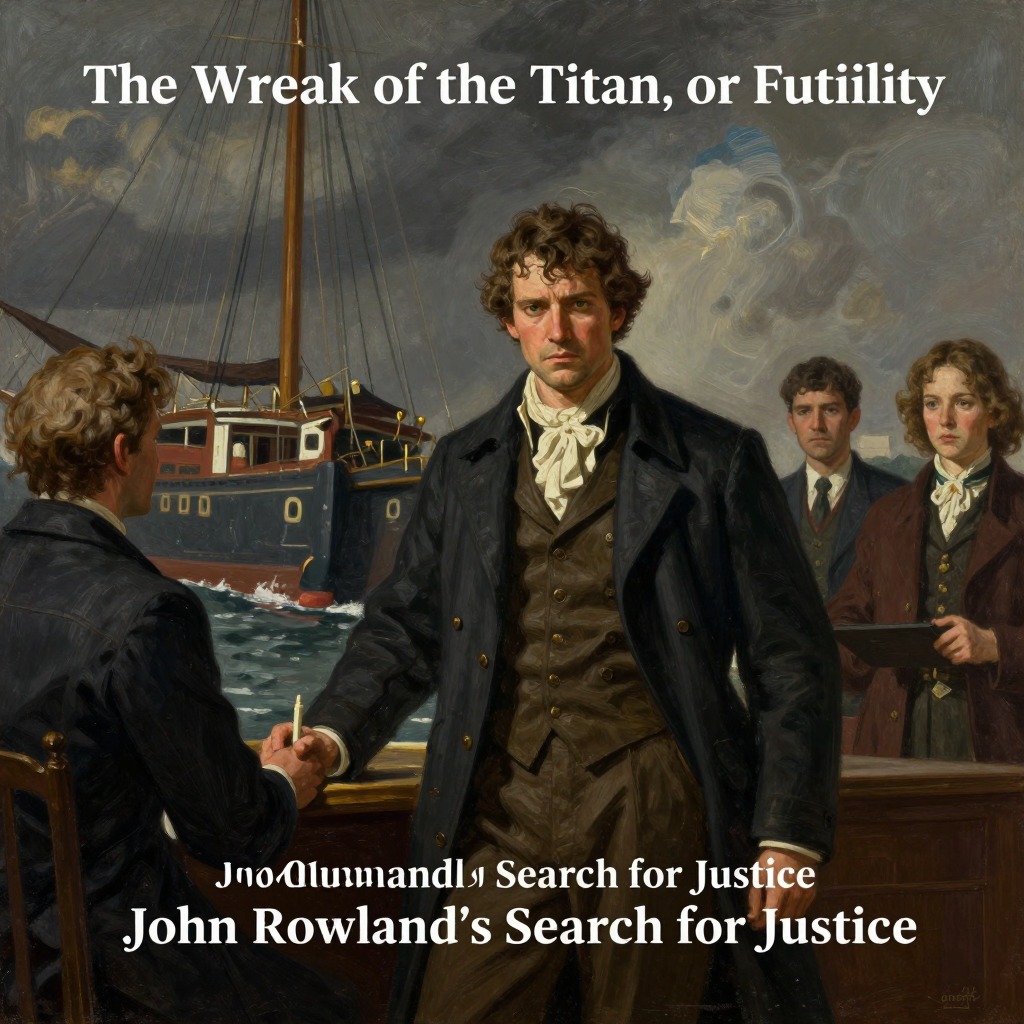
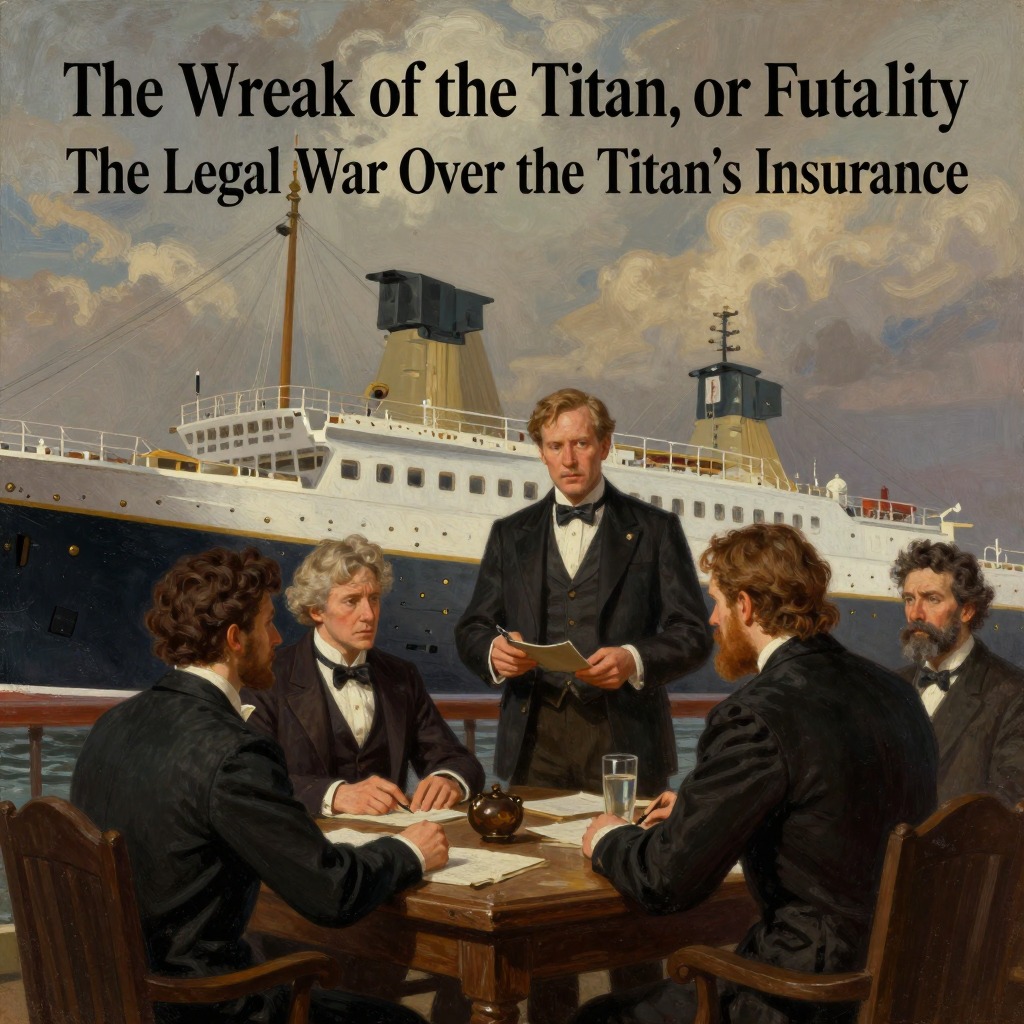
Two months after the loss of the Titan, Mr. Selfridge toters into the Rooms at Lloyds and takes a chair beside Mr. Meyer, asking whether the insurance will be paid now that the sixty days are up. Mr. Meyer informs him that the battle over payment will be largely between the two of them, as Mr. Selfridge is the largest stockholder and Mr. Meyer the heaviest insurer. When Mr. Meyer mentions that a child was rescued from the berg and is coming up the Thames that morning, Mr. Selfridge becomes agitated, asking if it might be little Myra and declaring that he would not care much about the money if she were safe — but that he is a ruined man if the insurance is not paid. He accompanies Mr. Meyer to the underwriter's private office in Threadneedle Street, where Captain Bryce, Mr. Austen, and the company attorney are already assembled.
Recognition of His Granddaughter
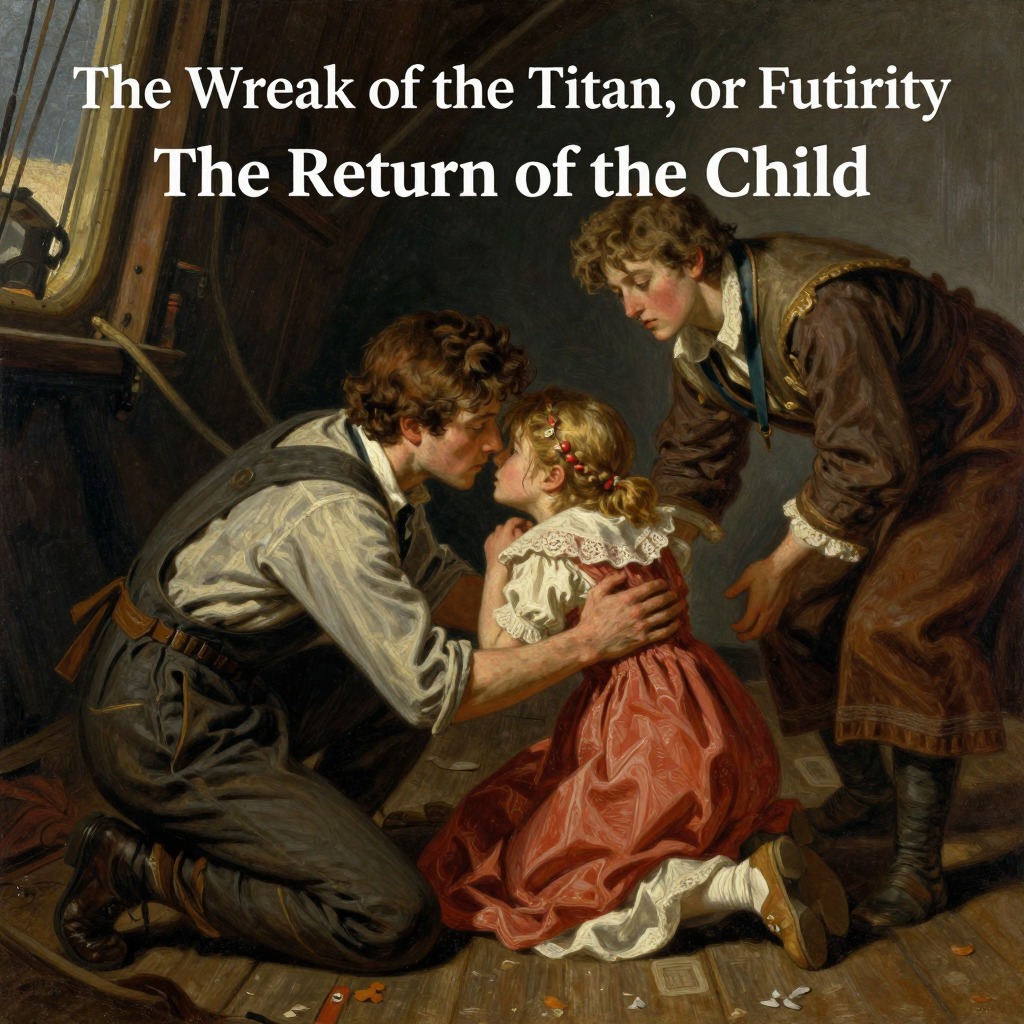
When Rowland arrives with Captain Barry and little Myra, Mr. Selfridge rises and stares not at Rowland but at the child, who is dressed in a unique costume made from bagging-stuff, flannel shirts, and canvas, sewn with sail-twine by the crew of the Peerless. He approaches, scans her features closely, and asks her name. When Rowland answers that her first name is Myra, the old gentleman repeats the name and asks if she knows him. The child's forehead puckers as she struggles with memory, then clears as she smiles and says "Gwampa." Mr. Selfridge murmurs "Oh, God, I thank thee," takes her in his arms, and declares that he has lost his son but found his child — his granddaughter. He tells Rowland that the mother is safe in New York but the father has not been heard from, and promises to cable Mrs. Selfridge at once, adding that although their debt cannot be named in terms of money, Rowland need not be penniless long, as he has wealth and influence.
Financial Ruin and Death
After Rowland's testimony exposes the drugging and the collision with the Royal Age, Mr. Meyer announces that the insurance will not be paid and that Mr. Selfridge is ruined. The underwriter explains that the collision clause in the policy is void along with the rest, and that the Titan company must reimburse him for the insurance he must pay to the Royal Age owners — unless Rowland will swear that the other ship's lights were out. Rowland refuses, and as Mr. Selfridge hears this, he stumbles toward a chair, grasps it, loosens his hold, and falls to the floor with ashen lips and rolling eyes, gasping convulsively. Rowland kneels by his side and diagnoses heart failure. Before a doctor or carriage can arrive, Mr. Selfridge has passed away. The doctor attributes the death to sudden, violent emotion. Mr. Meyer explains that the old man had invested his last farthing — one hundred thousand pounds — in Titan stock, and that if he had left any more it would be assessed to make good his share of what the company must pay for the Royal Age, which Mr. Meyer also insured. The death of Mr. Selfridge, occurring in the very moment of his financial annihilation, transforms the abstract legal dispute into a human tragedy and directly motivates Rowland's subsequent refusal to testify, as Rowland chooses to protect the child's inheritance rather than pursue justice against the company.
Thematic Significance
Mr. Selfridge's fate embodies the novella's critique of the financial system that underwrites technological hubris. He is a victim not of the iceberg directly but of the insurance and stock-market mechanisms that concentrated his entire fortune in a single, recklessly operated vessel. His death from the shock of ruin — rather than from the shipwreck itself — underscores the theme that the true cost of the Titan's full-speed-in-fog policy is borne not only by the drowned but by those whose lives are financially bound to the enterprise. His final words, identifying himself as a ruined man, echo Rowland's earlier defiance of the captain and complete the circle of loss that the narrative traces from the collision with the Royal Age through the iceberg to the Lloyds office.